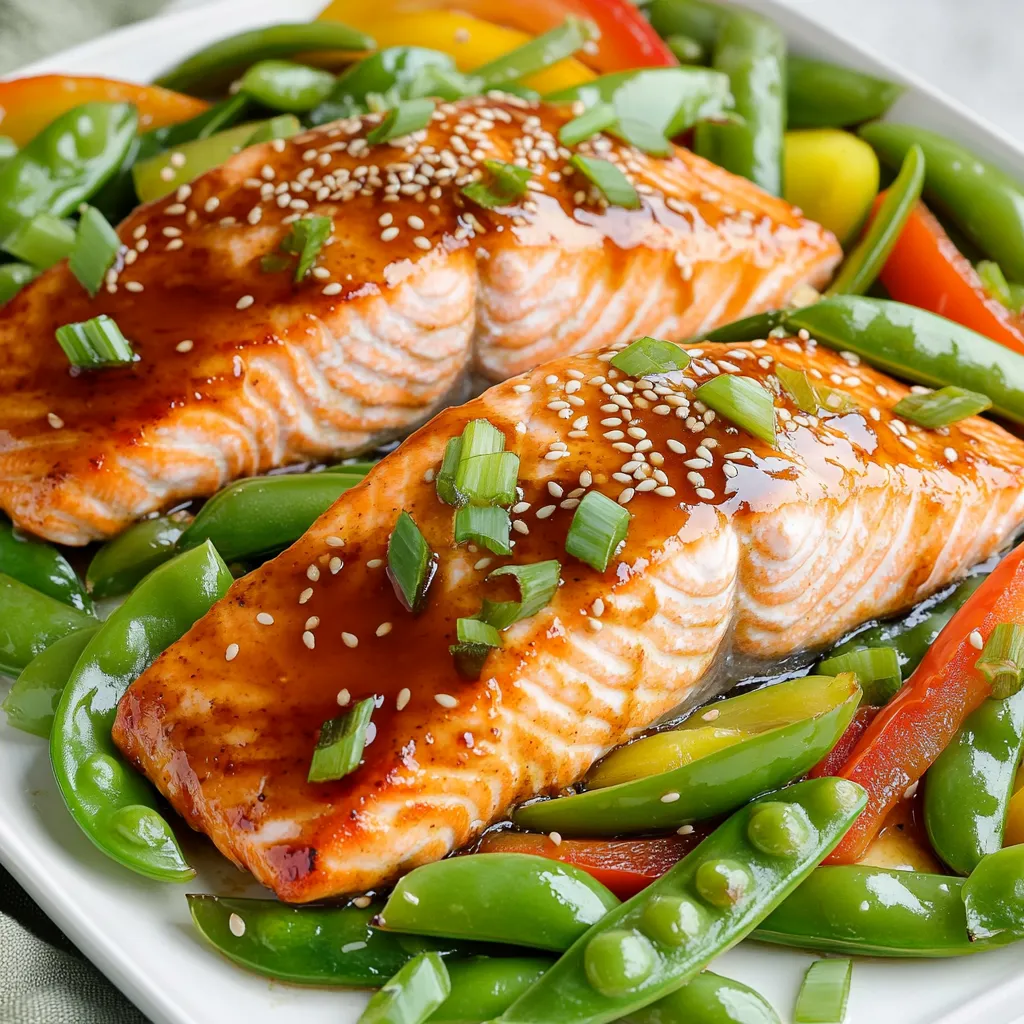
Looking for a meal that’s both simple and packed with flavor? This Sheet-Pan Sesame Ginger Salmon is just what you need! With a perfect blend of savory, sweet, and a hint of zing, it’s an easy dish you’ll want to make again and again. I’ll guide you through each step, from the tasty marinade to the vibrant veggies. Get ready for a delicious dinner that’s quick to whip up!
Ingredients
Main Ingredients
– 4 salmon fillets
– 2 tablespoons sesame oil
– 3 tablespoons low-sodium soy sauce
– 2 tablespoons fresh ginger, finely grated
– 2 tablespoons honey
– 1 tablespoon rice vinegar
For this dish, I always start with fresh salmon fillets. They bring a rich flavor and healthy fats. Next, I use sesame oil for its nutty taste. Low-sodium soy sauce adds saltiness without being too strong. Fresh ginger brings a bright zing that pairs well with the fish. I also add honey for sweetness and rice vinegar for a little tang.
Vegetable Additions
– 1 bell pepper (red or yellow), thinly sliced
– 1 cup snap peas (or substitute with green beans)
– 2 garlic cloves, finely minced
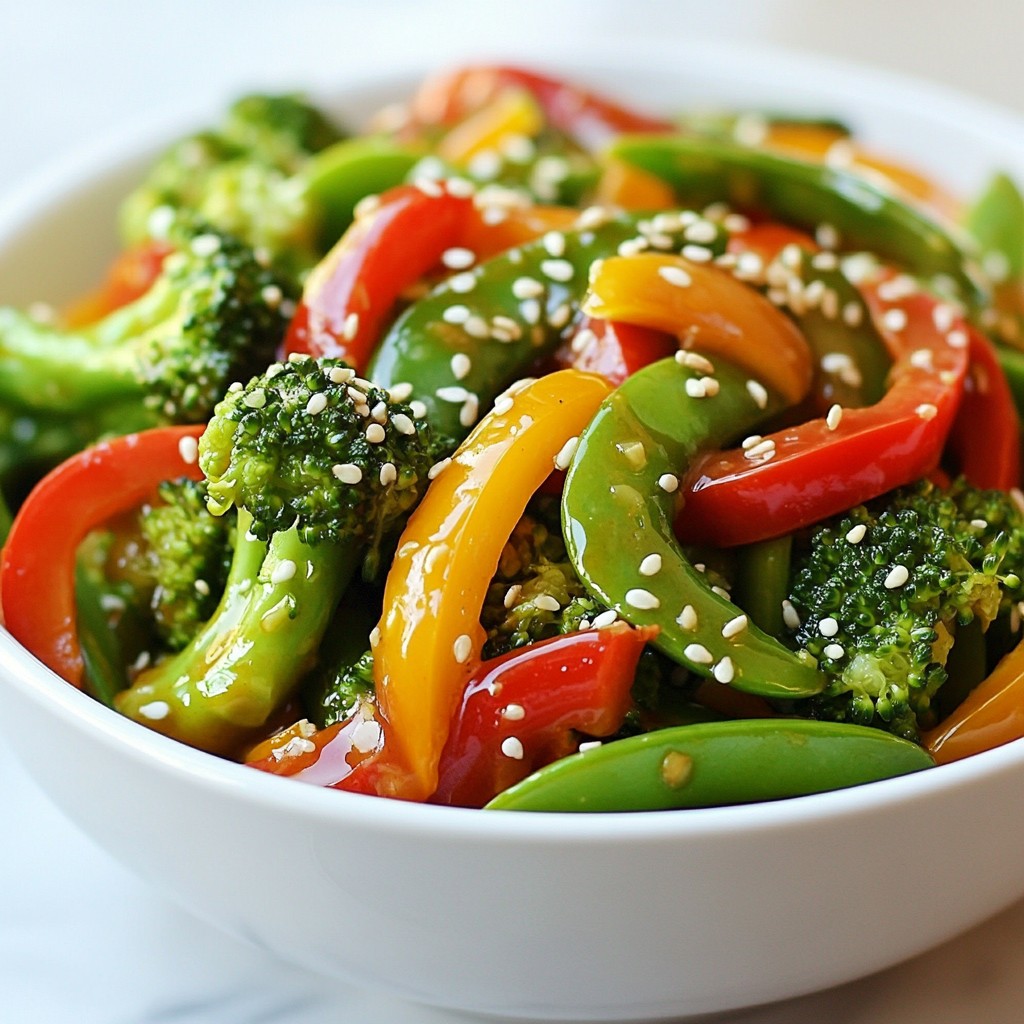
For veggies, I love using bell peppers and snap peas. They add color and crunch. You can use green beans if you prefer. Garlic adds a lovely aroma and flavor to the dish.
Garnishes and Seasonings
– 1 tablespoon toasted sesame seeds
– 2 green onions, sliced (for garnish)
– Salt and freshly ground black pepper to taste
Finally, I sprinkle toasted sesame seeds on top. They give a nice crunch. Sliced green onions add a fresh touch. Don’t forget to season with salt and black pepper. This mix of ingredients makes the salmon shine!
Step-by-Step Instructions
Preparing the Oven and Baking Sheet
1. Preheat your oven to 400°F (200°C). This step ensures the salmon cooks evenly.
2. Line a large baking sheet with parchment paper. This makes cleanup quick and easy.
Creating the Marinade
1. In a medium bowl, mix the marinade ingredients. Combine sesame oil, soy sauce, grated ginger, honey, rice vinegar, and minced garlic. Whisk until well blended.
2. To balance flavors, taste the marinade. If it’s too salty, add a touch more honey. If it’s too sweet, add more soy sauce.
Assembling the Dish
1. Place the salmon fillets on the parchment-lined baking sheet. Lightly season them with salt and black pepper.
2. Pour half of the marinade over the salmon. Make sure each fillet is coated well. Set the rest aside for later.
3. Scatter sliced bell pepper and snap peas around the salmon. Drizzle a little of the reserved sauce over the veggies. Toss gently to coat.
4. Bake everything for 12-15 minutes. The salmon should flake easily with a fork. The vegetables will be tender but still crisp.
Tips & Tricks
Perfecting Your Salmon
– Cooking times for varying thickness: Salmon fillets vary in thickness. For fillets around 1 inch thick, bake for 12-15 minutes. Thicker fillets need a few more minutes. Always check while cooking.
– Checking for doneness: The salmon is done when it flakes easily with a fork. You can also use a meat thermometer; it should read 145°F (63°C).
Enhancing Flavor
– Suggested additions to the marinade: Try adding a splash of lime juice or a dash of chili flakes for some heat. You can also mix in a tablespoon of miso for depth.
– Adjusting sweetness and saltiness: Taste the marinade before using. If it’s too salty, add a bit more honey. If it’s too sweet, add a touch more soy sauce.
Presentation Tips
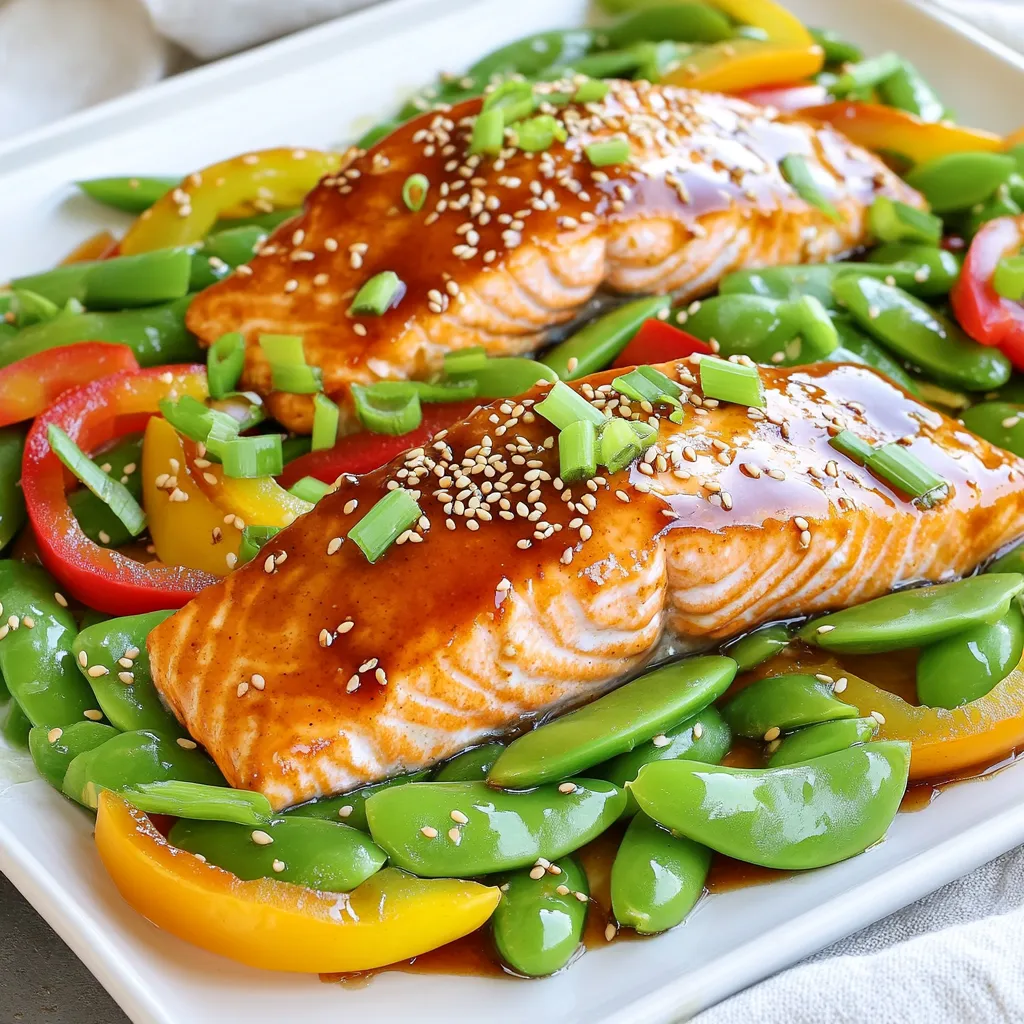
– Serving suggestions: Serve the salmon and veggies on a large platter. This makes a great family-style meal. You can also plate each fillet with a side of rice.
– Garnishing for visual appeal: Sprinkle toasted sesame seeds over the top for a nice crunch. Add thinly sliced green onions to brighten up the dish and add color.
Variations
Ingredient Swaps
You can switch the bell pepper for other veggies. Consider using zucchini or asparagus. Both add great color and crunch. For snap peas, green beans work too. They bring a similar texture and taste. If you want a different protein, try chicken or tofu. Both soak up the marinade well and taste great.
Flavor Adaptations
To add some heat, sprinkle in red pepper flakes. They give a nice kick without overpowering. You can also use fresh herbs. Cilantro or basil can brighten the dish. Just chop them finely and mix them in.
Cooking Method Variations
If you love grilling, try cooking the salmon on the grill. It adds a smoky flavor. Just use a grill-safe pan or foil. For stovetop cooking, you can sear the salmon in a skillet. Start skin-side down for a crispy finish. Adjust the cooking time to about 6-8 minutes per side.
Storage Info
Storing Leftovers
To keep your salmon fresh, place leftovers in an airtight container. This helps seal in flavor and moisture. Store the container in your fridge. The salmon stays good for up to three days. If you want to enjoy it later, you can freeze it.
Reheating Tips
When reheating salmon, use the oven or microwave. For the oven, set it to 350°F (175°C). Heat for about 10 minutes. This keeps the salmon from drying out. If you use the microwave, cover it with a damp paper towel. Heat in short bursts, checking often. Aim for an internal temperature of 145°F (63°C).
Freezing Guidance
To freeze salmon, wrap it tightly in plastic wrap or foil. Place it in a freezer bag to prevent freezer burn. It will keep well for up to three months. When ready to eat, thaw it in the fridge overnight. Avoid thawing at room temperature. This keeps the texture and flavor intact.
FAQs
Can I use frozen salmon for this recipe?
Yes, you can use frozen salmon. Just make sure to thaw it first. Place it in the fridge overnight. If you are short on time, you can also run it under cold water for quicker thawing. Once thawed, follow the recipe as usual.
What can I substitute for soy sauce?
You can try tamari for a gluten-free option. Coconut aminos is another great choice. Both provide a similar salty flavor. If you want less salt, use low-sodium versions of these sauces.
How do I know when the salmon is fully cooked?
Salmon is done when it flakes easily with a fork. You can also check the internal temperature. It should reach 145°F (63°C). If it looks opaque and pulls apart, it is ready to eat.
Can I adjust the sweetness of the marinade?
Yes, you can adjust the sweetness. Add more honey for a sweeter taste. If you prefer less sweetness, use less honey or omit it entirely. Taste the marinade before pouring it on the salmon to find your perfect balance.
What side dishes pair well with sesame ginger salmon?
Many sides go well with this dish. Try steamed rice or quinoa for a filling option. Roasted broccoli or a fresh salad can add nice crunch. You can also serve it with noodles for a complete meal experience.
In this article, we covered how to make a delicious sesame ginger salmon dish. You learned about the key ingredients, from salmon fillets to honey, and how to blend them for a tasty marinade. We explored tips for perfect cooking and ways to adapt the recipe. Remember, you can make it your own by choosing different veggies or proteins. Enjoying this healthy meal can be easy and fun. I hope you feel inspired to try it out!