

Craving a delicious treat that bursts with fresh flavors? You’re in the right place! Raspberry Lemon Scones are a delightful mix of sweet and tart, perfect for breakfast or as a tasty snack. In this post, I’ll share step-by-step instructions, handy tips, and flavor variations. Whether you’re a baking pro or just starting, these scones will impress. Let’s dive into the world of baking and create something special!
Why I Love This Recipe
- Bright Flavor Combination: The tartness of raspberries combined with the zesty lemon creates a refreshing taste perfect for any time of day.
- Easy to Make: This scone recipe is straightforward and quick, making it an ideal choice for both novice and experienced bakers.
- Perfect for Any Occasion: Whether it’s a brunch, tea party, or just a cozy afternoon snack, these scones are versatile and delightful.
- Customizable: Feel free to swap out raspberries for other berries or add nuts for a unique twist on this classic recipe.
Ingredients
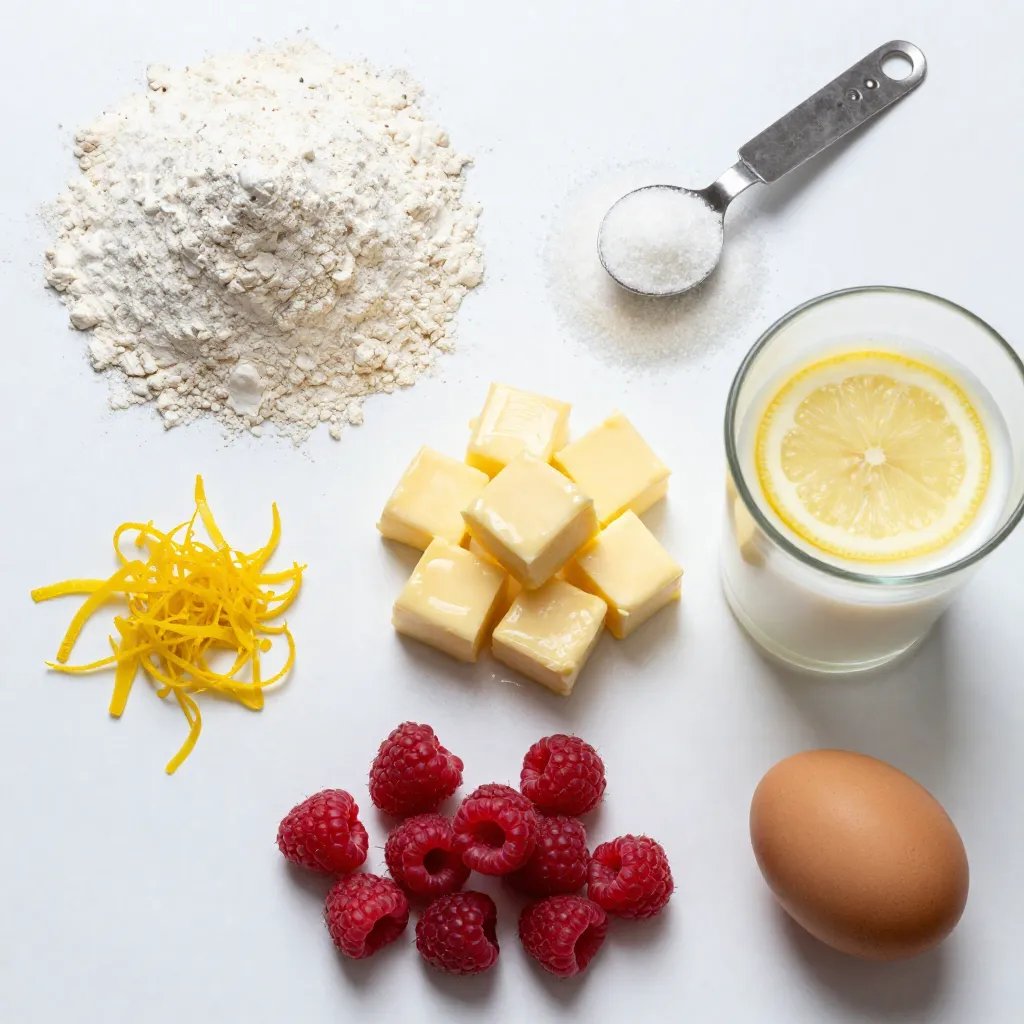
Detailed ingredient list for Raspberry Lemon Scones
To make these delightful Raspberry Lemon Scones, you will need the following ingredients:
– 2 cups all-purpose flour
– 1/2 cup granulated sugar
– 2 teaspoons baking powder
– 1/2 teaspoon baking soda
– 1/4 teaspoon salt
– Zest of 1 lemon
– 1/2 cup unsalted butter, cold and cubed
– 3/4 cup buttermilk (or milk mixed with 1 tablespoon lemon juice)
– 1 cup fresh raspberries
– 1 egg, beaten (for egg wash)
Tips for selecting fresh raspberries and lemons
When choosing raspberries, look for ones that are firm and plump. They should have a rich color and no signs of mold. Fresh raspberries should have a sweet aroma. If they smell sour, they are likely past their prime.
For lemons, pick ones that feel heavy for their size. Firm lemons with smooth skin are usually juicier. Avoid lemons with soft spots or blemishes. The zest from a fresh lemon adds bright flavor, so always choose the best fruit.
Suggestions for ingredient substitutions
If you don’t have buttermilk, you can make a great substitute. Mix 3/4 cup milk with 1 tablespoon of lemon juice. Let it sit for about 5 minutes before using.
For a dairy-free option, use almond milk or coconut milk mixed with lemon juice. This will still give you a nice texture and flavor.
If you prefer, you can swap out the raspberries for blueberries or strawberries. Each fruit brings its own unique taste and charm to the scones.
Step-by-Step Instructions
Preheating the oven and preparing the baking sheet
First, set your oven to 425°F (220°C). This high temperature helps the scones rise well. Line a baking sheet with parchment paper. This will keep the scones from sticking.
Mixing dry ingredients and incorporating butter
In a large bowl, mix together 2 cups of all-purpose flour, 1/2 cup of granulated sugar, 2 teaspoons of baking powder, 1/2 teaspoon of baking soda, 1/4 teaspoon of salt, and the zest of one lemon. Stir well so everything is even. Next, add 1/2 cup of cold, cubed unsalted butter. Use your fingers or a pastry cutter to mix it in. You want the mixture to look like coarse crumbs with small bits of butter. This is key for flaky scones.
Combining wet ingredients and folding in raspberries
Make a well in the center of your dry mix. Pour in 3/4 cup of buttermilk or milk mixed with 1 tablespoon of lemon juice. Stir gently until the dough comes together. Don’t mix too much, or your scones will be tough. Now, fold in 1 cup of fresh raspberries. Be careful not to crush them.
Shaping and cutting the dough for scones
Lightly flour your work surface and turn the dough out onto it. Shape the dough into a disc about 1 inch thick. Cut the disc into 8 wedges. You can also use a cookie cutter for round shapes if you like.
Baking and cooling instructions
Place the cut scones on your prepared baking sheet. Brush the tops with a beaten egg for a nice finish. Bake them for 15 to 20 minutes. They should be golden brown and a toothpick should come out clean when inserted. Let the scones cool on the baking sheet for about 5 minutes. Then, move them to a wire rack to cool completely. Enjoy the fresh and flavorful delight!
Tips & Tricks
How to achieve the perfect scone texture
To get that perfect scone texture, cold butter is key. Use unsalted butter straight from the fridge. Cut it into small cubes. When you mix it with flour, aim for coarse crumbs. You want some small bits of butter left in the mix. This creates flaky layers when baked.
Mix the dough gently. Overworking the dough can lead to tough scones. Stir until just combined. Adding buttermilk helps keep the scones moist and tender.
Common mistakes to avoid when making scones
One common mistake is overmixing the dough. This makes the scones dense. Another mistake is not using cold butter. The butter needs to stay cold until baking.
Watch the baking time closely. If you bake too long, the scones can dry out. Also, avoid using too much flour when rolling out the dough. This can make them heavy.
Enhancing flavor with additional ingredients or spices
To boost flavor, consider adding herbs like thyme or rosemary. A pinch of cinnamon can add warmth. You might also try white chocolate chips for sweetness.
For a tangy kick, fold in lemon curd or lemon zest. You can even swap raspberries for other fruits like blueberries or strawberries. Each fruit brings a unique flavor and texture to the scones.
Pro Tips
- Use Cold Ingredients: Ensure your butter and buttermilk are cold to help create flaky layers in the scones.
- Don’t Overmix: Mix the dough just until combined to avoid tough scones. A gentle hand is key!
- Fresh Berries: Use fresh raspberries for the best flavor and texture. Frozen berries can make the dough soggy.
- Egg Wash for Shine: Brushing the tops with beaten egg before baking gives your scones a beautiful golden color.
Variations
Other fruit combinations (e.g., blueberries, strawberries)
You can easily switch up the fruit in these scones. Blueberries add a sweet burst of flavor. Strawberries bring a lovely, juicy touch. Simply replace the raspberries with your chosen fruit. Keep the same amount for the best results. Each fruit gives a unique taste and color. Experiment to find your favorite.
Vegan or dairy-free adaptations
Making these scones vegan is simple. Use plant-based butter instead of regular butter. Swap buttermilk for almond milk mixed with lemon juice. This keeps the tangy flavor intact. You can also use coconut yogurt for added creaminess. These small changes ensure everyone can enjoy these scones.
Flavorful additions like nuts or herbs
Add nuts for a crunchy texture. Chopped walnuts or almonds work well. You can also try herbs for a twist. Fresh thyme or rosemary adds an interesting note. Just mix in about 1/4 cup of your chosen nuts or herbs while folding in the fruit. This enhances the scone’s flavor and makes them even more exciting to eat.
Storage Info
Best practices for storing leftover scones
To keep your scones fresh, store them in an airtight container. This helps to trap moisture and keeps them soft. If you have leftover scones, let them cool completely first. Then, place parchment paper between layers to avoid sticking. Store them at room temperature for up to 2 days. If you want to keep them longer, consider freezing.
How to freeze scones for later use
Freezing scones is easy and great for meal prep. Start by baking and cooling the scones. Once cooled, wrap each scone tightly in plastic wrap. Then, place them in a freezer bag or container. Be sure to remove as much air as possible. Scones can last in the freezer for up to 3 months. When ready to enjoy, just thaw them at room temperature.
Reheating instructions for optimal freshness
To reheat scones, first, take them out of the container. Allow them to come to room temperature. Preheat your oven to 350°F (175°C). Place the scones on a baking sheet. Heat them for about 10 minutes. This warms them up and keeps them soft. You can also use a microwave, but be careful not to overheat. Enjoy your warm, fresh scones!
FAQs
Can I make these scones ahead of time?
Yes, you can prepare the dough ahead of time. Shape the dough into a disc and wrap it tightly in plastic wrap. Store it in the fridge for up to 24 hours. When ready to bake, simply slice and follow the baking instructions. This helps keep your scones fresh and tasty.
What should I do if the dough is too sticky?
If your dough feels too sticky, add a little more flour. Sprinkle flour on your hands and the work surface. Knead gently until it’s easier to handle. Be careful not to overwork the dough, as this can make scones tough. A light touch helps keep them fluffy.
How do I know when the scones are fully baked?
Check for a golden brown color on top. Insert a toothpick into the center of a scone. If it comes out clean, they are done. The scones should feel firm but spring back when pressed lightly. Keep an eye on them during the last few minutes of baking.
What are the best ways to serve Raspberry Lemon Scones?
Serve these scones warm for the best taste. Dust them with powdered sugar for a sweet touch. Pair them with clotted cream or lemon curd to add a creamy texture. You can also enjoy them with a cup of tea or coffee for a delightful afternoon treat.
In this blog post, we covered how to make Raspberry Lemon Scones. We explored the best ingredients, tips for selection, and smart substitutions. You learned the step-by-step process to mix, shape, and bake your scones. We also shared tips for perfect texture and common mistakes. Finally, we discussed variations and storage to keep your scones fresh.
Enjoy baking these tasty treats. With a few simple steps, you can impress anyone with your skills. Happy bakin