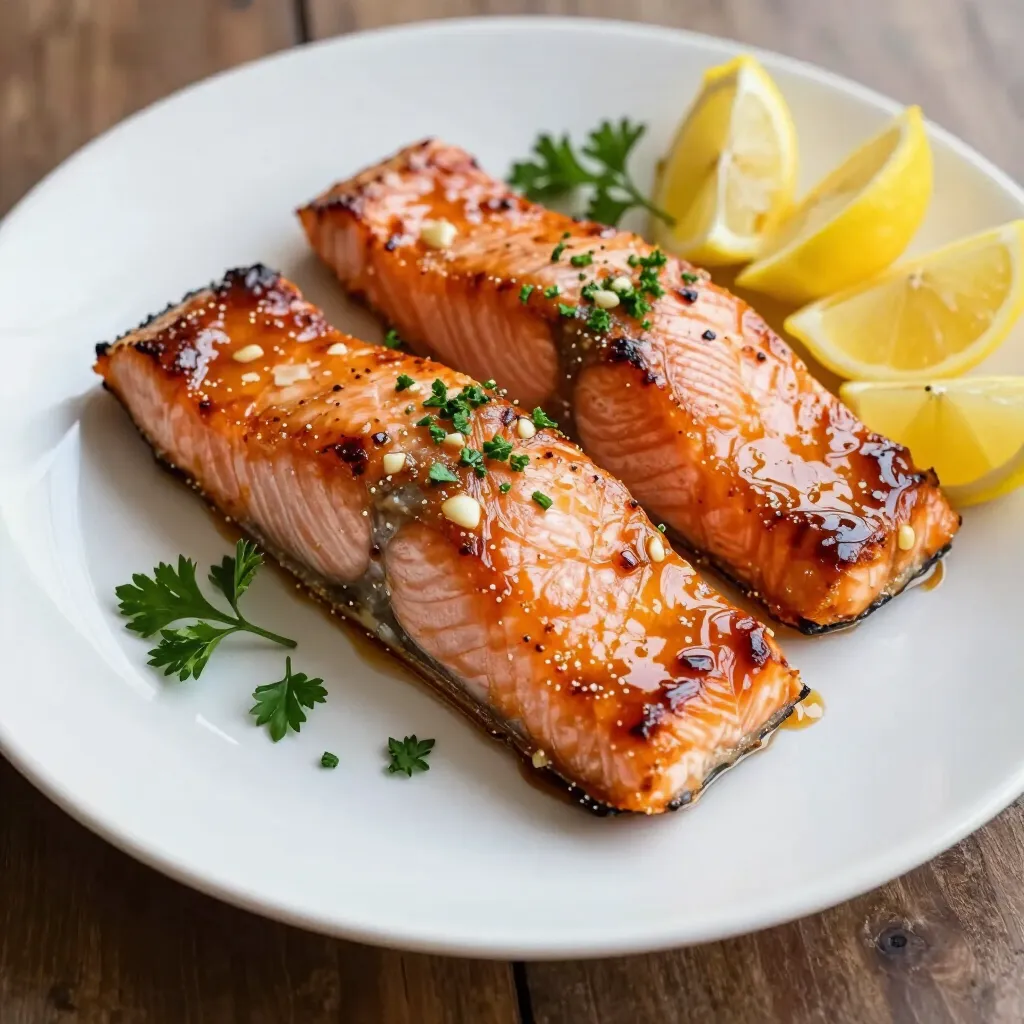
Looking for a simple yet delicious way to prepare salmon? This Maple Dijon Glazed Salmon recipe is a game changer! You’ll love the sweet and tangy glaze that transforms your meal into something special. In this post, I’ll guide you through easy steps and share essential tips. Let’s dive into making a dinner that’s quick, easy, and packed with flavor! Get ready to impress yourself and others!
Why I Love This Recipe
- Quick and Easy: This recipe can be prepared in just 10 minutes and baked in 15, making it perfect for busy weeknights.
- Delicious Flavor Combination: The sweet maple syrup paired with tangy Dijon mustard creates a mouthwatering glaze that elevates the salmon.
- Healthy Choice: Salmon is rich in omega-3 fatty acids, making this dish not only tasty but also nutritious.
- Beautiful Presentation: The vibrant colors of the glaze and fresh parsley make this dish visually stunning for any occasion.
Ingredients
List of Ingredients
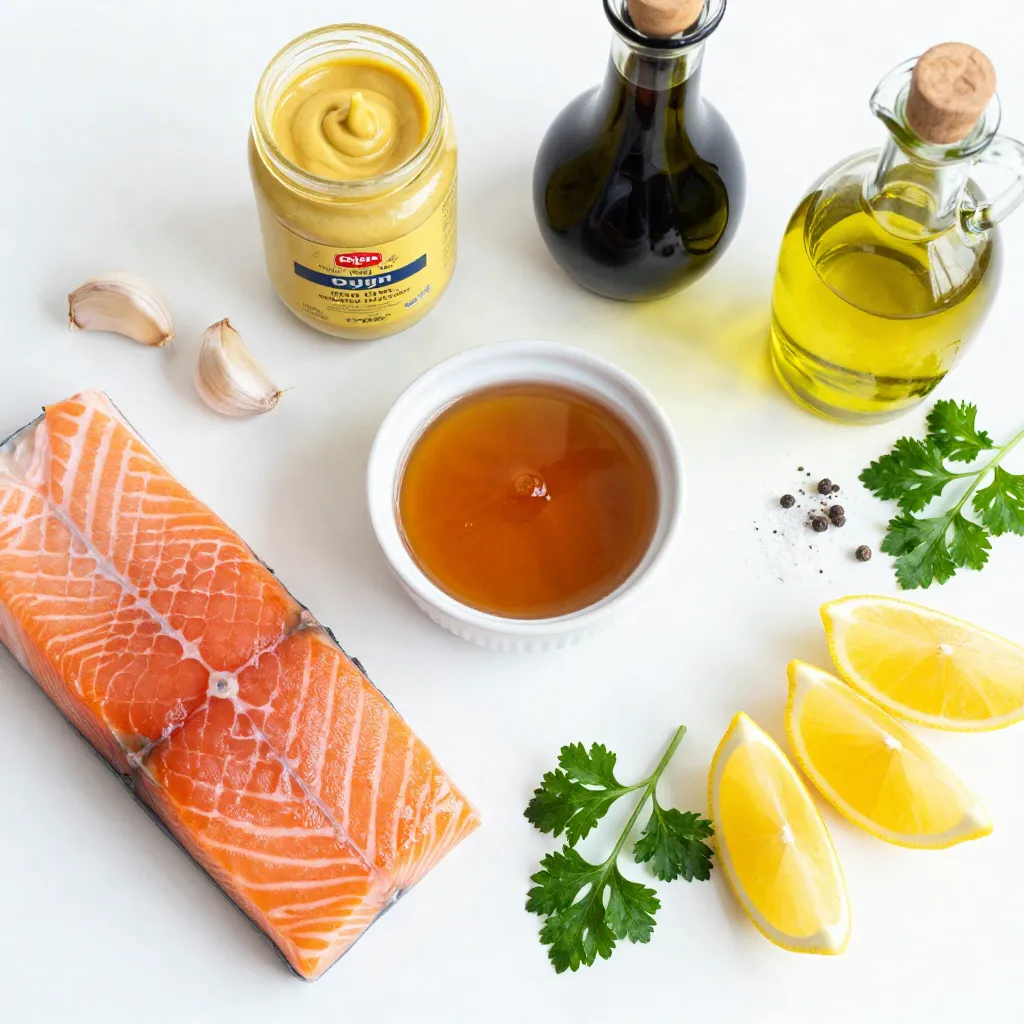
– 4 salmon fillets (6 oz each)
– 1/4 cup pure maple syrup
– 2 tablespoons Dijon mustard
– 1 tablespoon low-sodium soy sauce
– 2 cloves garlic, finely minced
– 1 tablespoon extra virgin olive oil
– Salt and freshly cracked black pepper to taste
– Fresh parsley, finely chopped (for garnish)
– Lemon wedges (for serving)
Notes on Ingredient Quality
Using high-quality ingredients makes a big difference. Choose fresh salmon fillets for the best flavor. Look for fillets with bright, moist flesh. The skin should look shiny and not dry. Select pure maple syrup, not the imitation kind. It has a deeper flavor. For Dijon mustard, pick one that is smooth and tangy. Fresh garlic adds a great punch. Make sure it is firm and not sprouting.
Measurement Conversions
If you need to convert measurements, here are some useful tips:
– 1/4 cup = 4 tablespoons
– 1 tablespoon = 3 teaspoons
– 6 oz of salmon is about 170 grams.
– For those using Celsius, 400°F equals 200°C.
These conversions help you measure accurately for the best results.
Step-by-Step Instructions
Preheating the Oven
First, preheat your oven to 400°F (200°C). This step is key for even cooking. While the oven heats, line a baking sheet with parchment paper. This makes clean-up easy and keeps the salmon from sticking.
Making the Maple Dijon Glaze
Next, grab a medium mixing bowl. Add 1/4 cup of pure maple syrup, 2 tablespoons of Dijon mustard, and 1 tablespoon of low-sodium soy sauce. Now, add 2 cloves of finely minced garlic and 1 tablespoon of extra virgin olive oil. Season with salt and freshly cracked black pepper. Whisk this mix until smooth. This glaze will give your salmon a sweet and tangy flavor.
Preparing and Baking the Salmon
Now it’s time to prepare the salmon. Take 4 salmon fillets and place them on the lined baking sheet, skin-side down. Use a basting brush to apply the maple Dijon glaze generously over each fillet. Make sure to save some glaze for later. Now, place the baking sheet in the oven and bake for about 12 to 15 minutes. The salmon is done when it flakes easily with a fork and reaches an internal temperature of 145°F (63°C).
Basting Techniques and Cooking Tips
Halfway through baking, take the salmon out. Use the reserved glaze to baste the fillets. This step adds flavor and enhances the glaze’s shine. After baking, let the salmon rest for a couple of minutes. Resting helps improve the flavor and texture. When ready to serve, garnish with finely chopped parsley and lemon wedges. Enjoy your delicious meal!
Tips & Tricks
How to Select the Best Salmon
When choosing salmon, look for bright and shiny skin. The flesh should be firm and moist. Avoid fish that has a dull color or dry spots. Fresh salmon has a mild, ocean-like scent. If you find frozen salmon, ensure it feels solid and does not have ice crystals.
Cooking Time Adjustments for Different Thicknesses
Cooking time changes based on the thickness of your salmon fillets. For fillets that are about one inch thick, bake for 12 to 15 minutes. If your fillets are thicker, add a few more minutes to ensure they cook through. Remember, the fish is ready when it flakes easily with a fork.
Achieving the Perfect Glaze Texture
To get the best glaze, mix the maple syrup with Dijon mustard well. This creates a smooth texture. When applying the glaze, use a basting brush for even coverage. Basting halfway through cooking adds extra flavor and shine. If the glaze is too thick, whisk in a little water to thin it out.
Pro Tips
- Use Fresh Ingredients: Fresh salmon and high-quality maple syrup will enhance the overall flavor of your dish.
- Adjust the Sweetness: Feel free to adjust the amount of maple syrup based on your preference for sweetness in your glaze.
- Let it Rest: Allowing the salmon to rest after baking helps the juices redistribute, making it more tender and flavorful.
- Experiment with Herbs: Adding different herbs like thyme or dill can give the glaze an extra layer of flavor.
Variations
Using Different Fish Types
You can easily switch up the fish in this recipe. Try using trout or tilapia instead of salmon. Both fish have a mild taste that pairs well with the maple Dijon glaze. They cook similarly to salmon, so adjust the cooking time if needed. For example, thinner fish fillets may need less time in the oven. Always check for doneness with a fork; it should flake easily.
Alternative Flavor Combinations
Feel free to mix flavors for your glaze! Instead of Dijon mustard, you could use whole grain mustard for a different texture. Adding a splash of orange juice can brighten the flavor. For a spicy kick, mix in some red pepper flakes or sriracha. You can even switch out the maple syrup for honey if you prefer a different sweetness. Experiment to find your favorite flavor combo!
Serving Suggestions with Side Dishes
Pair your salmon with delicious sides for a complete meal. Roasted vegetables like asparagus or Brussels sprouts complement the glaze well. You can also serve it with a fresh salad, perhaps with a lemon vinaigrette. For a heartier option, try quinoa or brown rice. These sides not only taste great but also add color to your plate. Don’t forget to squeeze fresh lemon over the salmon before serving!
Storage Info
How to Store Leftover Salmon
To keep your leftover salmon fresh, store it in an airtight container. Place the salmon in the fridge. Use it within two days for the best taste. If you have a lot left, consider freezing it. This way, you can enjoy it later.
Reheating Instructions
When you want to reheat your salmon, keep it simple. Preheat your oven to 350°F (175°C). Place the salmon on a baking sheet. Cover it with foil to keep it moist. Heat for about 10 minutes, or until warm. You can also use the microwave. Just heat it for 30 seconds at a time. Check to avoid overheating.
Freezing Salmon for Later Use
To freeze salmon, wrap each fillet tightly in plastic wrap. Add a layer of foil for extra protection. Label the packages with the date. The salmon can stay in the freezer for up to three months. When you’re ready to use it, thaw it in the fridge overnight. This method helps keep the flavor and texture.
FAQs
What is the best temperature to cook salmon?
The best temperature to cook salmon is 400°F (200°C). This high heat cooks the fish evenly and quickly. At this temperature, the salmon stays moist and flaky. It usually takes about 12 to 15 minutes to cook through. Always check the internal temperature. It should reach 145°F (63°C) for safety.
Can I use honey instead of maple syrup?
Yes, you can use honey instead of maple syrup. Honey will give your salmon a sweet flavor, just like maple syrup. However, honey is thicker, so the glaze may be a bit different. Adjust the amount of honey to your taste. You might want to use a bit less honey than syrup.
How do I know when salmon is done cooking?
You know salmon is done when it flakes easily with a fork. This means it’s cooked through. Another way to check is by using a meat thermometer. The fish should reach an internal temperature of 145°F (63°C). If you’re not sure, you can cut into the thickest part of the fillet. The flesh should look opaque and moist, not translucent.
This guide covered the key ingredients, cooking steps, and tips for baking salmon. You learned how to make a sweet glaze and achieved perfect cooking times. Remember to choose fresh salmon for the best flavor. Don’t hesitate to experiment with different fish and new flavors. Store your leftovers properly for easy meals later. Enjoy your tasty salmon dishes with confidence that you can make them perfectl