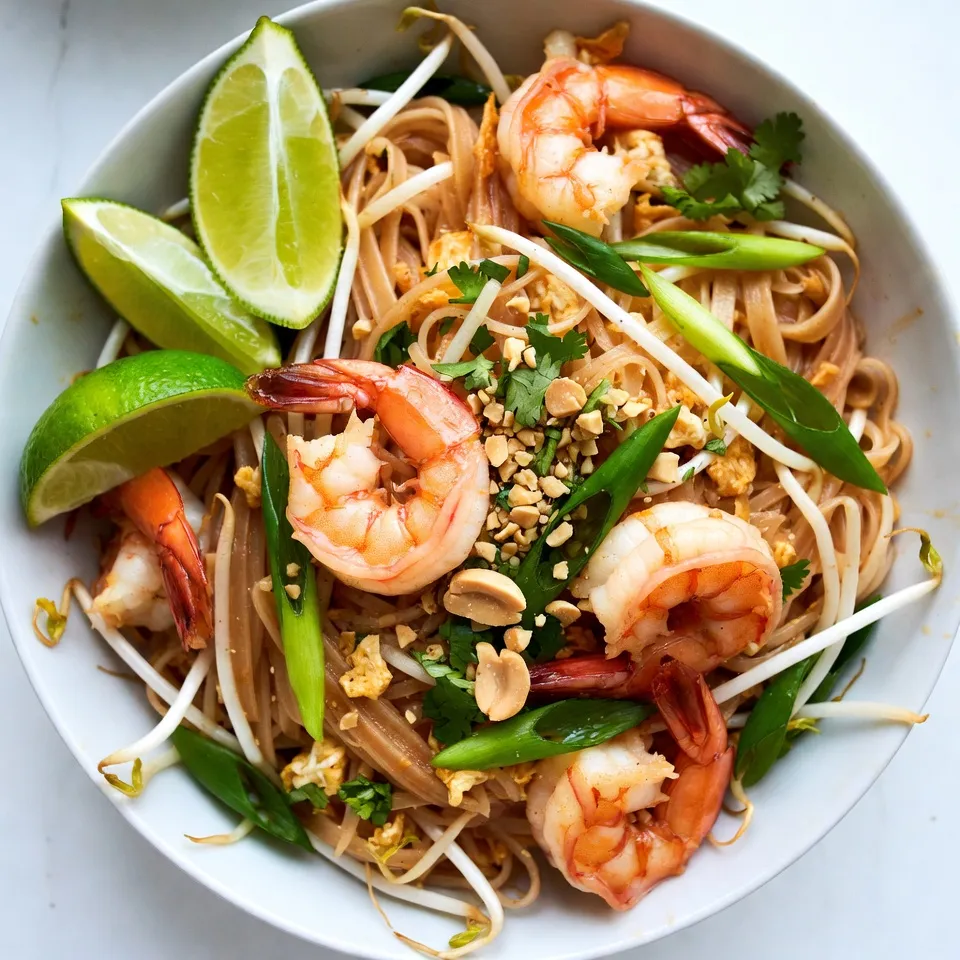
Craving a quick and tasty meal? This Easy Shrimp Pad Thai recipe delivers all the flavors you love without the fuss. In just a few simple steps, you can whip up a dish that impresses everyone at your table. I’ll walk you through essential ingredients, handy tips, and even some fun variations to keep it fresh. Let’s get cooking and take your taste buds on a trip to Thailand!
Why I Love This Recipe
- Quick and Easy: This recipe comes together in just 30 minutes, making it perfect for busy weeknights or when you want a delicious meal in a hurry.
- Flavor Packed: The combination of Pad Thai sauce, fish sauce, and lime juice creates a vibrant flavor profile that will tantalize your taste buds.
- Customizable: You can easily adjust the ingredients to suit your preferences, whether you want to add more veggies or spice it up with Sriracha.
- Healthy and Satisfying: This dish offers a great balance of protein from the shrimp and nutrients from the vegetables, making it a satisfying meal option.
Ingredients
Essential Ingredients for Easy Shrimp Pad Thai
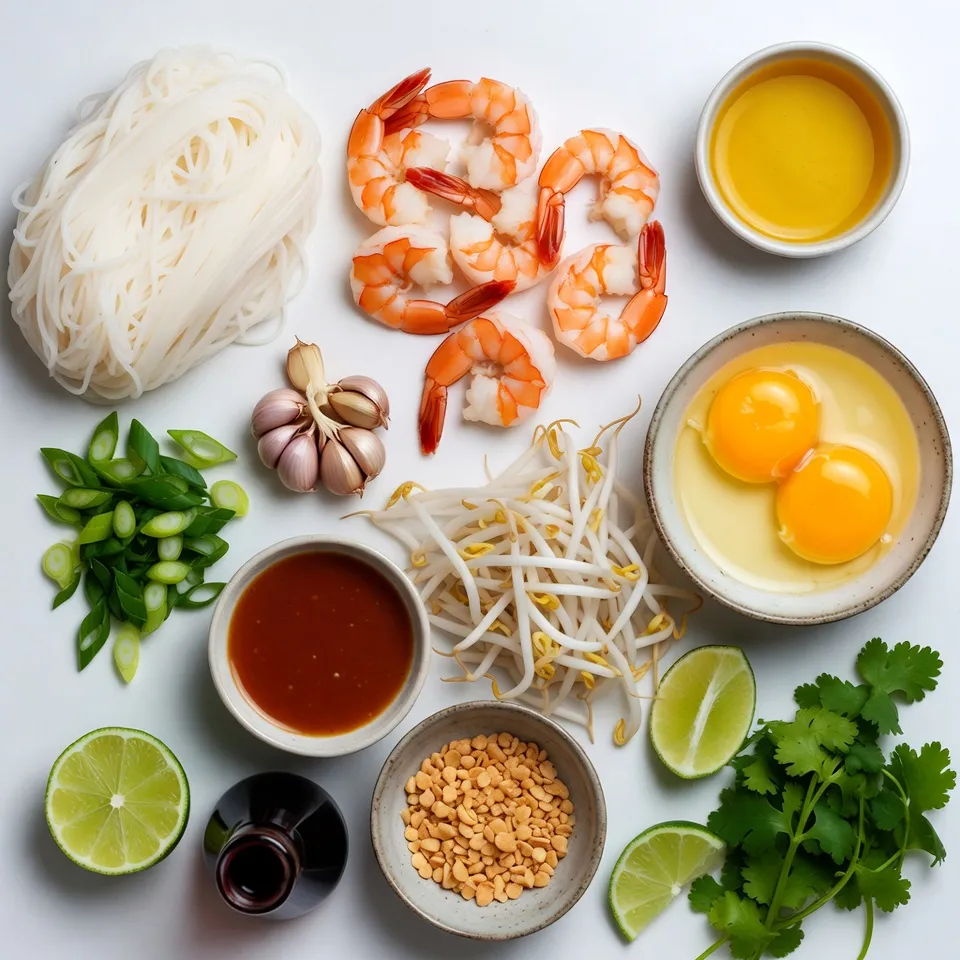
To make Easy Shrimp Pad Thai, gather these key items:
– 8 oz rice noodles
– 1 lb shrimp, peeled and deveined
– 2 tablespoons vegetable oil, divided
– 2 cloves garlic, minced
– 2 large eggs, lightly beaten
– 2 green onions, finely sliced
– 1 cup fresh bean sprouts
– 3 tablespoons Pad Thai sauce
– 1 tablespoon fish sauce
– 1 tablespoon fresh lime juice
– ¼ cup crushed peanuts
– Lime wedges for serving
– Fresh cilantro leaves, for garnish
These ingredients create a balance of flavors and textures. The shrimp adds protein, while the noodles provide a comforting base.
Optional Ingredients and Substitutions
Feel free to get creative with your Pad Thai! Consider these options:
– Substitute chicken or tofu for shrimp.
– Use tamari instead of fish sauce for a gluten-free version.
– Add sliced bell peppers or carrots for more crunch.
– For spice, include Sriracha sauce or red pepper flakes.
These substitutions allow you to personalize the dish based on your taste and dietary needs.
Recommended Tools and Equipment
You will need some basic kitchen tools:
– Large pan or wok
– Cooking spatula
– Pot for boiling noodles
– Strainer for rinsing noodles
– Knife and cutting board
Having the right tools makes cooking smoother and more enjoyable. Make sure everything is ready before you start cooking.
Step-by-Step Instructions
Preparing the Rice Noodles
First, cook the rice noodles. Follow the package directions carefully. You want them to be al dente. After cooking, drain the noodles and rinse them with cold water. This step keeps them from sticking together later. Set the noodles aside for now.
Cooking the Shrimp
Next, heat 1 tablespoon of vegetable oil in a large pan or wok over medium-high heat. When the oil is hot, add the shrimp. Cook them for about 3 to 4 minutes. They should turn pink and opaque when done. Once cooked, take the shrimp out and place them on a plate.
Scrambling the Eggs
In the same pan, add the other tablespoon of vegetable oil. Pour in the lightly beaten eggs. Stir gently as they cook. You want them to be firm yet a bit soft. When the eggs are done, push them to one side of the pan.
Sautéing Garlic and Adding Noodles
Now, add the minced garlic to the pan. Stir it for about 30 seconds until it smells great. Then, mix in the drained rice noodles. Pour in the Pad Thai sauce, fish sauce, and fresh lime juice. Toss everything well so the noodles get coated evenly.
Combining and Adding Vegetables
Once the noodles are warm, add the cooked shrimp back to the pan. Toss in the sliced green onions and fresh bean sprouts. Mix everything together for about 2 to 3 minutes until heated through.
Serving Suggestions
Spoon the shrimp Pad Thai onto plates. Top it with crushed peanuts and fresh cilantro leaves. Serve lime wedges on the side for a zesty kick. If you like spice, offer Sriracha sauce for drizzling on top. Enjoy your meal!
Tips & Tricks
Tips for Perfecting Your Pad Thai
To make the best shrimp Pad Thai, focus on these tips:
– Use fresh ingredients: Fresh shrimp and vegetables make a big difference.
– Cook noodles correctly: Follow package instructions for rice noodles. Don’t overcook them.
– High heat: Use medium-high heat for quick cooking. This keeps the shrimp juicy.
– Flavor balance: Adjust the Pad Thai sauce for sweet, salty, and tangy tastes.
– Garnish well: Use fresh cilantro and lime wedges for bright flavors.
Common Mistakes to Avoid
Avoid these common mistakes for better Pad Thai:
– Overcooking shrimp: Cook shrimp just until pink to keep them tender.
– Too much sauce: Use just enough sauce to coat the noodles, not drown them.
– Skipping lime juice: Add lime juice for a fresh kick. Don’t skip it!
– Not stirring enough: Toss the noodles well to mix flavors evenly.
Ingredient Substitutions for Dietary Needs
You can easily swap ingredients for different diets:
– Shrimp: Use tofu or chicken for a different protein.
– Fish sauce: Substitute with soy sauce for a vegan option.
– Rice noodles: Try zucchini noodles for a low-carb choice.
– Peanuts: Use sunflower seeds if allergic to nuts.
– Veggies: Add bell peppers or carrots for more crunch.
These tips and tricks will help you create a shrimp Pad Thai that is delicious and satisfying. Enjoy cooking!
Pro Tips
- Perfectly Cooked Shrimp: Make sure not to overcook the shrimp; they should be pink and opaque, which takes about 3-4 minutes. Overcooking can make them rubbery.
- Fresh Lime Juice: For the best flavor, use freshly squeezed lime juice instead of bottled. It enhances the dish and adds a vibrant zing.
- Customize Your Heat: Adjust the amount of Sriracha or add fresh chili slices according to your spice preference. Start with a small amount and increase to taste.
- Garnish Smartly: Add the crushed peanuts and cilantro just before serving to maintain their freshness and crunch, elevating the presentation and flavor.
Variations
Vegetarian or Vegan Shrimp Pad Thai
To make a vegetarian or vegan version, swap shrimp for tofu. Use firm tofu and cube it. Sauté the tofu until golden. Replace fish sauce with soy sauce or tamari for flavor. You can also add more vegetables like bell peppers, carrots, or zucchini. This keeps your Pad Thai colorful and tasty.
Gluten-Free Options
For a gluten-free meal, choose rice noodles made from 100% rice. Ensure your Pad Thai sauce is gluten-free, too. Many brands offer gluten-free options. If making your own sauce, use coconut aminos instead of soy sauce. This adds a sweet flavor without gluten.
Spicy Shrimp Pad Thai with Sriracha
If you like heat, add Sriracha sauce. Mix it into the Pad Thai sauce before cooking. You can also drizzle it on top when serving. Start with a small amount, then adjust to your taste. This spicy kick makes the dish exciting and full of flavor.
Storage Info
How to Store Leftover Pad Thai
To store leftover Pad Thai, let it cool down first. Place it in an airtight container. Make sure to cover it tightly. Store it in the fridge for up to three days. This keeps the dish fresh and safe to eat.
Reheating Instructions
When you’re ready to eat the leftovers, you can reheat Pad Thai easily. Use a pan on medium heat. Add a small splash of water or oil to avoid sticking. Stir often for even heating. You can also use a microwave. Heat it in short bursts, stirring in between. This helps keep the noodles from getting too dry.
Freezing Shrimp Pad Thai
Freezing Pad Thai is a great option if you want to save some for later. Let it cool completely before freezing. Use freezer-safe bags or containers. Remove as much air as possible to prevent freezer burn. You can freeze it for up to two months. Thaw it in the fridge overnight when you’re ready to eat it again.
FAQs
What is Pad Thai sauce made of?
Pad Thai sauce usually mixes sweet, salty, and sour flavors. The main ingredients include tamarind paste, fish sauce, sugar, and lime juice. You can also find some recipes that add soy sauce or chili paste. This sauce gives Pad Thai its unique taste. If you want a homemade version, combine these ingredients to taste.
Can I use frozen shrimp for this recipe?
Yes, you can use frozen shrimp for this recipe. Just make sure to thaw them first. Place the shrimp in the fridge overnight or run them under cold water. Frozen shrimp cooks well and still tastes great in Pad Thai.
How do I make Pad Thai less sticky?
To make Pad Thai less sticky, rinse the noodles with cold water after cooking. This helps remove excess starch. You can also ensure you don’t overcook the noodles. Keeping them al dente helps them stay separate. Adding a little oil while cooking can also help.
What are the best noodles for Pad Thai?
The best noodles for Pad Thai are rice noodles. Look for flat rice noodles, often labeled as “Pad Thai noodles.” They cook quickly and soak up flavors well. Choose the width you prefer, but thinner noodles are common for this dish.
Can I make this recipe ahead of time?
You can make some parts of this recipe ahead of time. Cook the noodles and shrimp in advance, then store them in the fridge. When ready to serve, reheat them and toss with the sauce and veggies. This saves time and keeps your meal quick and easy!
You now have all the key tips to make easy Shrimp Pad Thai. We covered the ingredients, step-by-step cooking methods, and helpful storage tips. Remember to adjust the recipe to suit your tastes and dietary needs. Don’t fear mistakes; they can lead to tasty results. Enjoy creating this dish and make it your own! Your homemade Pad Thai can impress friends and family every tim